Keratin Treatment vs. Traditional Hair Straightening: What’s the Difference
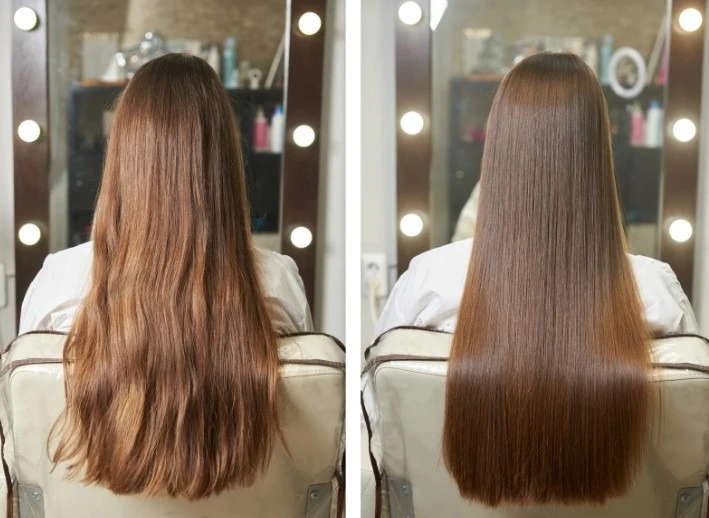
Keratin smoothing treatments and traditional hair straightening offer two very different paths to sleek, manageable hair, and Londoners seeking long-lasting, polished results have more choices than ever. Those exploring options for hair transformations–especially when considering hair extensions–want facts on health, longevity, and cost. While many turn to keratin treatment for its frizz-fighting and restorative reputation, others remain loyal to time-tested straightening methods. The distinction goes deeper than surface shine. For those browsing Ivana Farisei keratin treatment prices the best solution lies in understanding how each process works, their aftercare, and their compatibility with hair extensions.
The Science Behind Keratin Treatments and Chemical Hair Straightening
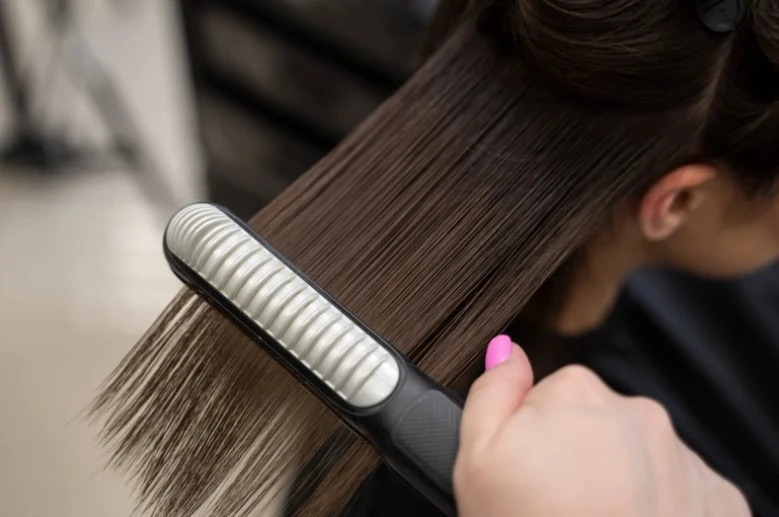
Keratin treatments and traditional chemical hair straightening differ fundamentally in approach, ingredients, and results. Keratin smoothing, often called a Brazilian blowout, infuses the hair shaft with a protein naturally found in human hair–keratin. This professional salon service involves applying a keratin-rich formula onto washed hair, then sealing it in with heat using a flat iron. The process realigns the cuticle, reduces frizz, and delivers substantial shine without permanently altering the hair’s internal structure. With proper care, the effects last around three to five months and gradually wash out, leaving natural texture intact.
In contrast, traditional hair straightening–such as Japanese thermal reconditioning or relaxers–relies on strong chemicals to break the hair’s natural bonds and reform them into a straight pattern. The most common ingredients include sodium hydroxide, ammonium thioglycolate, or guanidine hydroxide. This chemical process fundamentally alters the hair, resulting in permanently straight strands until new growth appears at the roots. While the outcome is dramatic and long-lasting, regrowth will show a sharp contrast to treated hair, demanding routine touch-ups.
The science matters beyond aesthetics. Keratin treatments typically suit a broader range of hair types–including wavy, curly, frizzy, or processed hair–because they do not break bonds. Chemical straightening works best on coarse, thick, or very curly hair but may weaken hair if overused or improperly applied. For those considering adding hair extensions, understanding these differences is crucial; keratin smoothing is generally gentler and less likely to compromise the integrity of either natural hair or extensions.
Comparing Results: Texture, Longevity, and Suitability with Hair Extensions
London residents weighing keratin treatments against traditional straightening need to look at several critical factors: the visual results, duration, and compatibility with hair extensions, especially for those desiring transformational volume or length.
Visual Results
Keratin smoothing delivers hair that appears natural, smooth, and touchably soft. The hair retains some natural body and can hold a curl or wave if styled. Its main selling point is the reduction of frizz and flyaways, rather than a pin-straight finish. The overall glossiness and silkiness are hard to match, making it especially popular for those seeking effortless manageability without sacrificing movement.
Traditional chemical straightening, on the other hand, flattens curls completely and leaves hair stick-straight. The structure is rigid; styling versatility is reduced, and movement can appear less natural. The difference is particularly noticeable under London’s humid climate, where keratin treatments remain resilient, while straightened hair may become limp or prone to breakage.
Longevity and Maintenance
While keratin treatments typically last three to five months, maintenance is critical for prolonging results. Sulfate-free shampoos, minimal heat styling, and protecting hair from saltwater or chlorinated pools keep the effect at its peak. Chemical straightening’s permanent retexturizing means only new growth requires attention, but it can lead to complex maintenance cycles and noticeable regrowth lines.
Suitability for Hair Extensions
When it comes to integrating hair extensions with smoothing or straightening methods, keratin treatments hold the advantage. Because they are less harsh and do not break hair bonds, extensions remain secure and healthy. For those with naturally shorter hair, Ivana Farisei short hair extensions blend seamlessly after a keratin treatment as the smoothing allows for effortless integration and natural movement. Chemical straighteners, however, can compromise bond integrity, especially with adhesive or keratin-tip extensions, increasing the risk of slippage, damage, or uneven texture between natural and extended hair.
Key Considerations for Extension Wearers
- Keratin treatments work with most professional extension types, including tape-ins, sew-ins, and micro-rings.
- Always consult with your stylist before treatment to assess compatibility with your current extension method.
- Wait at least two weeks after extension installation before undergoing a keratin service for optimum results.
Aftercare and Maintenance: Essential Steps for Healthy, Beautiful Hair
Aftercare is the deciding factor between a stunning, long-lasting result and disappointment. Whether you choose keratin smoothing or chemical straightening, following a careful regimen helps maximize your investment and protect your hair’s health. The guidance from Ivana Farisei short hair extensions specialists includes these essential steps:
- Use sulfate-free and sodium chloride-free shampoo and conditioner. These preserve both keratin-treated hair and the bonds in extensions.
- Avoid washing hair for at least 48-72 hours post-keratin treatment to ensure full absorption.
- Limit heat styling; if necessary, always apply a thermal protectant.
- Invest in silk or satin pillowcases to reduce friction.
- Schedule regular trims to maintain healthy hair and extension ends.
After chemical straightening, the protocol requires additional vigilance:
- Avoid overlapping chemicals on previously treated sections to prevent breakage.
- Maintain the scalp’s health with moisturizing treatments and gentle cleansing.
- Protect hair from environmental stressors, including UV exposure and pollution, which are prevalent in urban London.
For those with extensions, coordinate maintenance appointments with your stylist to address both your natural hair’s needs and the longevity of your extensions. This integrated approach ensures full, healthy-looking hair that complements your style.
Safety, Damage Control, and Choosing the Right Approach
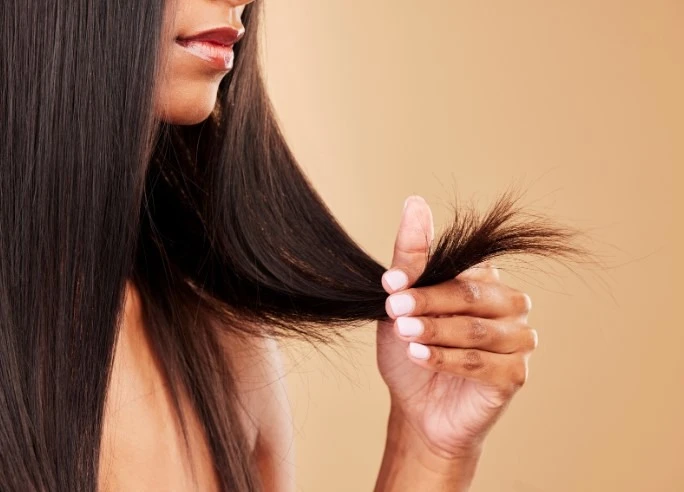
Balancing the desire for straight, silky hair with long-term hair health requires a nuanced approach. Each method bears distinct safety profiles and risks, particularly for individuals with fine, color-treated, or previously processed hair. The safety of keratin treatments centers on the formulation–select salons use low- or no-formaldehyde blends to reduce potential health hazards. In contrast, traditional straighteners can be more taxing, especially when improperly administered or repeated too often.
Choosing the right solution depends on your hair’s unique characteristics, personal styling preferences, and whether you plan to use extensions. Those experiencing frequent breakage or dryness may benefit from the nourishing, restorative properties of keratin treatments. For those set on a permanently sleek style and willing to manage regrowth, chemical straightening delivers enduring results.
Leading London salons, including those recommended by Ivana Farisei keratin treatment prices help clients assess their hair history, lifestyle, and goals before selecting a service. This personalized consultation ensures both the health and appearance of the hair are prioritized.
Making the Best Choice for Your London Lifestyle
Keratin smoothing and traditional chemical straightening both offer paths to manageable, polished hair–a boon for anyone seeking versatility or preparing for hair extensions. London’s climate, busy lifestyle, and avant-garde fashion scene mean the most effective approach is highly individual. By understanding how each treatment interacts with natural hair and extensions, considering aftercare, and consulting with experienced stylists, you can achieve lasting, radiant results tailored to your needs.
READ MORE : Master P Net Worth 2025 Explained: From Rap to Riches
Share this content: