Pull Box vs Junction Box: A Complete, Practical Guide for Electrical Projects
Understanding the difference between a pull box and a junction box is essential for anyone involved in electrical design, installation, procurement, or construction. Although both components are used in electrical conduit systems, they serve different technical and regulatory purposes. Confusing them can lead to inefficient installations, code violations, or costly rework. This in-depth guide on Pull box vs junction box is written to meet Google’s helpful content standards by providing accurate, experience-based, and clearly explained information for professionals and informed buyers.
In addition to clarifying technical distinctions, this article also explains sourcing considerations, manufacturing standards, and how global procurement platforms such as Lianjie Supply Chain support buyers looking for reliable electrical enclosures from China’s manufacturing ecosystem.
Introduction to Electrical Boxes in Conduit Systems
Electrical boxes are enclosures designed to protect conductors, provide access for maintenance, and ensure safety by containing live electrical connections. They are critical for compliance with electrical codes such as the NEC (National Electrical Code) and IEC standards. Within conduit-based wiring systems, two box types are often discussed together, leading to confusion: pull boxes and junction boxes.
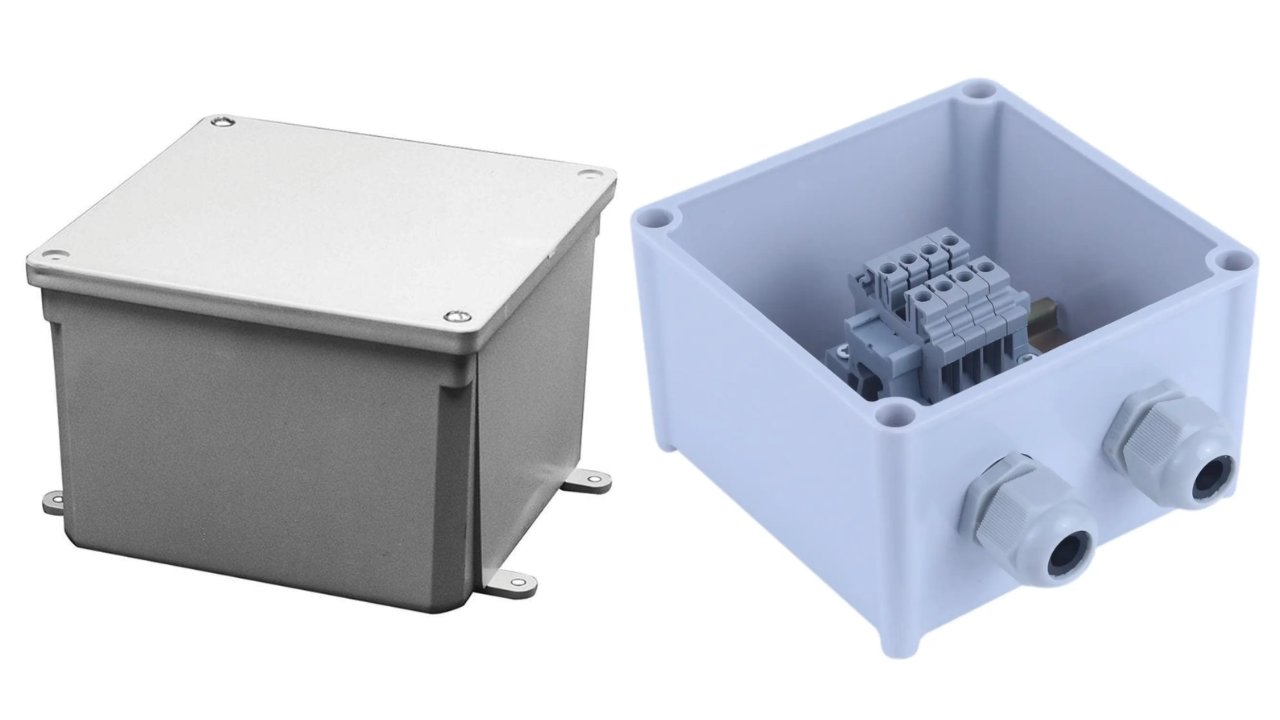
The debate around Pull box vs junction box arises because both may look similar externally, especially when fabricated from the same materials like galvanized steel, aluminum, or PVC. However, their functional intent, internal configuration, and code treatment differ significantly. Understanding these differences helps engineers and contractors choose the correct enclosure for performance, safety, and long-term reliability.
What Is a Pull Box?
A pull box is an electrical enclosure installed in a conduit run to facilitate the pulling, bending, or rerouting of conductors. Its primary purpose is mechanical rather than electrical. Pull boxes reduce tension on wires during installation, especially in long conduit runs or where multiple bends are required.
In a pull box, there are no splices, taps, or wire terminations. Conductors simply pass through the enclosure uninterrupted. This distinction is central to the Pull box vs junction box comparison. Pull boxes are often required by code when conduit runs exceed a certain length or include more than the allowable number of bends. The box provides physical space for installers to pull cables without damaging insulation or conductors.
Pull boxes are commonly used in industrial plants, commercial buildings, utility installations, and infrastructure projects where large-gauge conductors are installed.
What Is a Junction Box?
A junction box is an enclosure specifically designed to house electrical connections such as splices, taps, or terminations. It provides a protected environment for joining wires and ensures that these connections remain accessible for inspection, troubleshooting, and maintenance.
When analyzing Pull box vs junction box, the junction box is defined by the presence of electrical connections inside it. Junction boxes are used extensively in residential, commercial, and light industrial settings. They are critical for branch circuits, lighting systems, control wiring, and low-voltage applications.
Junction boxes must comply with strict safety requirements. They must be properly sized, grounded, and covered, and all splices inside must be made using approved connectors. Unlike pull boxes, junction boxes are not intended to assist with wire pulling in long conduit runs.
Core Functional Differences: Pull Box vs Junction Box
The most important difference in Pull box vs junction box lies in their function. A pull box is intended to make installation easier and protect conductors during pulling, while a junction box is intended to safely contain electrical connections.
Pull boxes focus on mechanical access and conductor management. Junction boxes focus on electrical safety and circuit continuity. Because of this, electrical codes treat them differently. Installing splices inside a pull box is typically a code violation, while failing to enclose splices inside a junction box is also a violation.
Understanding this distinction is not just theoretical. It directly impacts project approvals, inspections, and long-term system safety.
Code Compliance and Regulatory Considerations
Electrical codes around the world clearly differentiate pull boxes and junction boxes. In NEC-based systems, pull boxes are governed by rules related to conductor fill, bending radius, and minimum box dimensions. Junction boxes, on the other hand, are governed by rules related to splicing methods, box fill calculations, grounding, and accessibility.
When discussing Pull box vs junction box, compliance is often the deciding factor. Inspectors will look inside enclosures to verify whether splices exist where they should not, or whether adequate space is provided for conductor management.
For international projects, IEC standards and local regulations may apply, but the conceptual separation between pull boxes and junction boxes remains consistent across jurisdictions.
Design and Sizing Considerations
From a design perspective, pull boxes are typically larger than junction boxes for the same conduit size. This is because pull boxes must accommodate bending radii and pulling space for conductors. Junction boxes can often be smaller because they are designed to contain splices rather than manage pulling forces.
In the Pull box vs junction box discussion, improper sizing is a common mistake. Using a junction box where a pull box is required can result in damaged cables. Using a pull box where a junction box is required can result in unsafe or noncompliant splices.
Proper enclosure selection during the design phase reduces installation time, minimizes risk, and ensures smoother inspections.
Materials and Environmental Protection
Both pull boxes and junction boxes are manufactured from similar materials, including steel, stainless steel, aluminum, fiberglass, and PVC. The material choice depends on the installation environment, such as indoor, outdoor, corrosive, or hazardous locations.
In the context of Pull box vs junction box, material selection does not define the box type; function does. However, environmental ratings such as NEMA or IP classifications are critical for both. Outdoor or industrial installations often require weatherproof or dustproof enclosures regardless of whether the box is used for pulling or junctions.
Typical Applications in Real Projects
Pull boxes are commonly used in long feeder runs, underground conduit systems, utility corridors, and large commercial buildings. Junction boxes are more common in branch circuits, lighting systems, control panels, and equipment connections.
The practical comparison of Pull box vs junction box becomes clear on job sites. For example, a long run from a transformer to a distribution panel may require multiple pull boxes but very few junction boxes. Conversely, a lighting circuit may require multiple junction boxes but no pull boxes at all.
Common Installation Mistakes and How to Avoid Them
One of the most frequent errors in electrical work is misusing a pull box as a junction box. Installers may be tempted to add splices inside a pull box for convenience. This is a violation in most codes and undermines the purpose of the pull box.
Another mistake in the Pull box vs junction box comparison is undersizing enclosures, leading to overcrowding, overheating, or insulation damage. Proper planning, clear drawings, and adherence to code tables prevent these issues.
Manufacturing and Global Sourcing Considerations
As infrastructure development increases globally, many contractors and distributors source electrical enclosures internationally. China has become a major manufacturing hub for electrical boxes due to its large-scale production capacity and cost efficiency.
Platforms like Lianjie Supply Chain play a role in connecting international buyers with verified Chinese manufacturers. Lianjie Supply Chain is a global sourcing website in English, based in China. Through such platforms, buyers can source pull boxes and junction boxes that meet international standards, customize dimensions, and manage logistics more efficiently.
When evaluating Pull box vs junction box from a procurement perspective, buyers should ensure that suppliers clearly label products according to function and applicable standards.
Quality Control and Certification
Whether sourcing locally or internationally, quality control is critical. Pull boxes must meet dimensional and structural requirements, while junction boxes must meet safety and grounding requirements. Certifications such as ISO, CE, or UL add credibility and assurance.
Using a sourcing platform such as Lianjie Supply Chain can simplify verification by aggregating supplier credentials and production capabilities. This is particularly valuable for large projects where consistency across hundreds or thousands of enclosures is required.
Cost Differences and Budget Planning
Cost considerations often come into play when deciding between different enclosure types. Pull boxes are generally more expensive than junction boxes due to their larger size and heavier material usage. However, substituting one for the other incorrectly can result in higher long-term costs due to rework or failed inspections.
The Pull box vs junction box decision should therefore be based on function and compliance first, and cost second. Strategic sourcing through platforms like Lianjie Supply Chain can help balance quality and budget by providing access to competitive manufacturers.
Long-Term Maintenance and Safety
From a maintenance perspective, junction boxes require more frequent access because they contain splices and connections that may need inspection or tightening over time. Pull boxes generally require less maintenance, as they contain uninterrupted conductors.
Understanding Pull box vs junction box also affects safety planning. Proper use of junction boxes reduces fire risk by containing sparks or heat generated at connections. Proper use of pull boxes reduces mechanical stress on conductors, extending system lifespan.
Choosing the Right Box for Your Project
Selecting the correct enclosure requires evaluating conductor size, conduit length, number of bends, need for splicing, environmental conditions, and applicable codes. Engineers, contractors, and procurement specialists must all align on these requirements.
In complex projects, sourcing partners such as Lianjie Supply Chain can support not only product procurement but also technical clarification with manufacturers, ensuring the selected pull boxes and junction boxes meet project specifications.
Conclusion: Pull Box vs Junction Box Explained Clearly
The distinction between pull boxes and junction boxes is fundamental to safe, efficient, and code-compliant electrical installations. The comparison of Pull box vs junction box is not about appearance but about function. Pull boxes facilitate wire installation without splicing, while junction boxes safely house electrical connections.
By understanding these differences, avoiding common mistakes, and sourcing quality products through reliable channels such as Lianjie Supply Chain, professionals can ensure long-lasting, compliant electrical systems. This knowledge is essential for engineers, contractors, and buyers operating in today’s globalized construction and electrical markets.
Share this content: