How to Find the Mattress That Fits Your Comfort Needs
Choosing the right mattress is a crucial step towards achieving a good night’s sleep and improving your overall quality of life. With so many options available, it can often feel overwhelming. Each individual has unique comfort needs based on factors such as body type, preferred sleeping position, and personal preferences. A mattress that perfectly suits one person may not work for another. Understanding how to identify your comfort requirements is essential for making an informed decision.
This blog will guide to mattress types through the process of finding a mattress that fits your comfort needs, helping you navigate choices related to size, type, firmness, and support.
Along the way, we will explore what makes a mattress comfortable for different sleepers and provide practical tips to aid your decision-making. To kick off your search for the ideal mattress, you can find them here. Let’s delve deeper into what makes a mattress truly comfortable for you.
Understanding Mattress Types
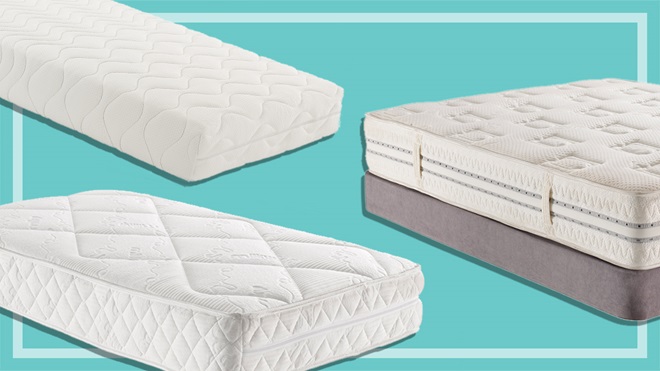
The first step to finding a mattress that fits your comfort needs is to understand the various mattress types available on the market. Each type offers distinct characteristics and benefits. Innerspring mattresses are made with coils that provide support and responsiveness, making them a popular classic choice. Memory foam mattresses are known for their contouring capabilities, which can relieve pressure points by molding to the body.
For those looking for a more breathable option, latex mattresses offer great support and natural materials, while hybrid mattresses combine the best of innerspring and foam technologies to provide both comfort and support. With so many types to choose from, identifying what appeals to you is crucial. Consider testing different types at your local store or exploring online options to better understand what suits your needs.
Firmness Levels Explained
Once you’ve identified the type of mattress you prefer, the next key factor to consider is firmness. Mattresses typically range from soft to extra firm, and the right firmness level will greatly affect your comfort. A soft mattress can provide a plush feel that is ideal for side sleepers, as it allows their shoulders and hips to sink comfortably.
Medium-firm mattresses are versatile, making them suitable for a range of sleeping positions, including back and combination sleepers. Firm mattresses offer excellent support, which is beneficial for stomach sleepers.
The added firmness keeps the spine aligned while preventing excessive sinking. If you’re unsure about your preference, many companies offer firmness guides that can help you make an informed choice. It’s always a good idea to test out various firmness levels to see which one feels best to you.
Identifying Your Sleep Position
Your sleeping position plays a significant role in determining which mattress is right for you. Different positions require varying levels of support and comfort. For instance, side sleepers often benefit from softer mattresses that relieve pressure on the hips and shoulders, allowing for better spinal alignment. Back sleepers typically find comfort in medium-firm mattresses, which provide support to the curvature of their spine.
Stomach sleepers generally need firmer mattresses to prevent their hips from sinking too low, which can lead to strain on the lower back. Understanding your primary sleeping position will help narrow down your options significantly. If you change positions throughout the night, consider a mattress that balances comfort and support across different levels.
The Importance of Trial Periods
When investing in a mattress, it’s crucial to consider companies offering trial periods or satisfaction guarantees. Many mattress retailers, including online options, allow you to try the mattress for a specific number of nights typically ranging from 100 to 365 days. During this trial, you can evaluate how well the mattress meets your comfort needs.
If you find that it isn’t suitable for you, returning it during the trial period is generally hassle-free. This feature is essential because adjusting to a new mattress can take time, and initial impressions may not always reflect long-term satisfaction. Before making a purchase, ensure that the company you choose offers a favorable trial period policy, which allows you to explore comfort without commitment.
Budget Considerations
Your budget is another important factor when selecting a mattress that meets your comfort needs. Prices can vary significantly based on materials, brands, and technologies employed in the mattress construction. It’s essential to set a budget that takes into account how much you are willing to invest in quality sleep.
While some may view a higher price tag as a commitment to comfort, many budget-friendly options offer excellent value without compromising quality. Make sure to explore a range of prices before making a decision. Reading reviews can also provide insights into whether a mattress is worth its price tag. Additionally, check for seasonal sales and discounts, which can make higher-end mattresses more accessible.
Reading Reviews and Ratings
To ensure you’re making an informed decision, take time to read customer reviews and ratings on various mattresses. Consumer feedback can provide valuable insights into comfort, durability, and overall satisfaction.
Look for detailed reviews that discuss specific comfort aspects, such as how well the mattress supports different sleep positions or how it performs in terms of temperature regulation. Websites usually aggregate customer reviews, allowing you to view overall ratings and specific feedback.
Pay attention to recurring comments and experiences, as these can highlight both strengths and weaknesses that you might not have considered. Reviews serve as a helpful resource when it comes to narrowing down your options to find the perfect mattress.
Frequently Asked Questions
How do I know if a mattress is suitable for my back pain?
Look for mattresses that offer good lumbar support and pressure relief, such as memory foam or hybrid options. It’s often beneficial to test a few different models.
What firmness should I choose if I sleep on my side?
Side sleepers typically benefit from medium to soft mattresses that allow for cushioning at the shoulders and hips while maintaining spinal alignment.
Can a mattress’s comfort change over time?
Yes, many mattresses can change in feel after years of use. Regularly replacing your mattress every 7-10 years helps maintain optimal comfort and support.
Should I consider mattress brands?
Absolutely! Some brands are known for their quality and comfort. Researching brands and their specific offerings can guide you towards a trusted choice.
What is the best way to test a mattress?
Lying down in your typical sleeping position for at least 10-15 minutes can give you a good sense of its comfort level. Take your time to assess how you feel.
Conclusion
Finding the perfect mattress that fits your comfort needs is a crucial step toward achieving better sleep quality. By understanding the different types of mattresses available, considering firmness levels, and identifying your preferred sleeping position, you can make a more informed choice. Don’t forget the importance of trial periods and budget considerations, along with the valuable information provided by customer reviews and ratings.
With the right approach and research, you’ll be well-equipped to find a mattress that not only supports your body but also enhances your overall well-being. Ready to get started? Explore your options and make your next sleep experience truly comfortable. Your journey to better sleep begins today!
READ MORE : How to Pick the Right Plants for Your Space
Share this content: