How to Pick the Right Plants for Your Space
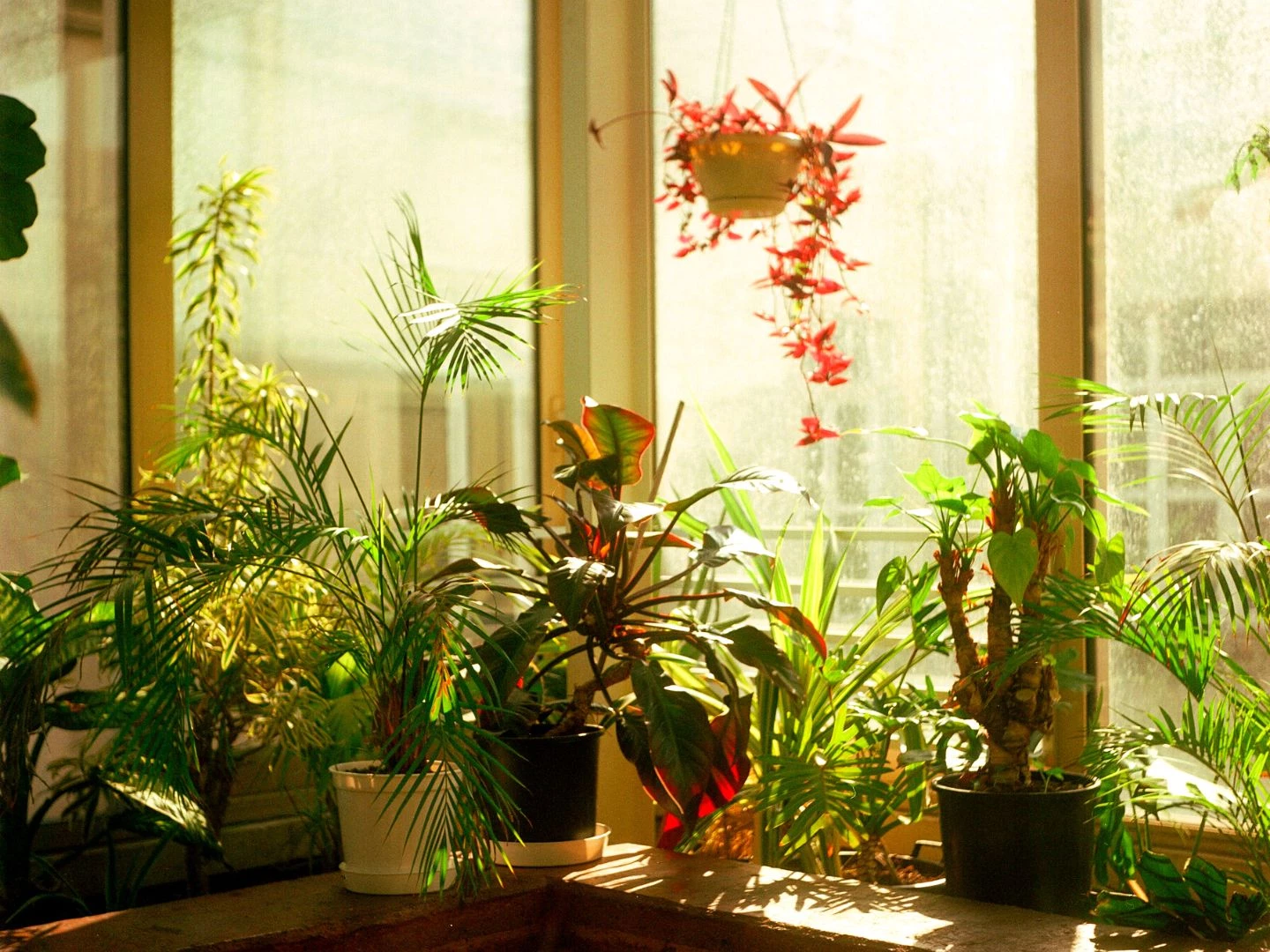
Selecting the right plants for your garden or indoor space can seem daunting, especially with the plethora of options available. Your choice of plants can significantly influence not only the aesthetic appeal of your environment but also the functionality of your space. Factors such as light conditions, climate, soil type, and maintenance level play essential roles in determining which plants will thrive in your chosen location.
The right plants can create a vibrant landscape that enhances your mood and increases your property’s value. On the other hand, poor plant choices can lead to frustration and wasted resources.
To simplify the process, it’s essential to familiarize yourself with some fundamental principles of plant selection, whether you’re an experienced gardener or a novice. If you’re interested in exploring native Australian plants, they are often a fantastic choice due to their adaptability to local conditions and lower maintenance requirements.
In this post, we’ll walk you through key considerations to help you pick the best plants for your specific space and needs.
1. Assess Your Space
Before diving into plant selection, take a step back to evaluate your space. Understanding your garden or indoor setup is crucial to making informed choices. Assess the layout, the amount of light each area receives, and any existing structures or themes that you’d like to work with. Take note of both the sun and shade exposure throughout the day, as different plants require varying amounts of light.
Additionally, consider factors such as wind exposure, soil quality, and drainage. Polling family members or roommates can also provide insights on their preferences, which might help shape your plant selections. Overall, a thorough assessment of your space will serve as a solid foundation for selecting the right plants that will thrive and coexist harmoniously.
2. Know Your Climate Zone
Understanding your climate zone is essential for selecting plants that will flourish in your environment. Different regions offer various growing conditions influenced by factors such as temperature, humidity, and rainfall. Consult hardiness zone maps to determine what plants will thrive in your specific area. For instance, if you live in a hotter climate, choosing drought-resistant native Australian plants can yield fantastic results.
Each plant has ideal conditions, including maximum and minimum temperatures it can tolerate. Selecting plants suited to your climate will enhance their chances of thriving and reduce maintenance tasks, resulting in a more enjoyable gardening experience.
3. Consider the Purpose of Your Plants
What do you want your plants to accomplish? Are you looking to create a lush garden space, a private retreat, or an edible garden full of fruits and vegetables? Defining the purpose of your plants will guide your selection process. For instance, if you’re interested in attracting wildlife, consider flowering and edible plants that lure bees and butterflies.
On the other hand, if privacy is your primary concern, fast-growing plants such as hedges or taller trees may be ideal. Understanding the role you want your plants to play will help you narrow down your choices effectively and create a purposeful garden environment.
4. Assess Light Conditions
Different plants thrive in different light conditions, whether bright sunlight, partial shade, or full shade. Before selecting your plants, assess the lighting conditions in your space throughout the day. South-facing windows typically receive the most light, while north-facing ones are often shadier. Understand that some plants, such as succulents or sunflowers, require full sun to flourish, while others, such as ferns and shade-loving plants, prefer less direct light. By paying attention to the light levels in your space, you can select plants that will thrive in those conditions, improving the likelihood of a healthy and vibrant display.
5. Choose the Right Soil
Soil type plays a significant role in plant health. Different plants have different soil needs, and understanding the soil quality in your space is essential for successful planting. Some plants thrive in sandy soils with good drainage, while others prefer heavier clay soils that retain moisture.
You can test your soil’s pH and nutrient levels by using a home soil test kit or hiring a local gardening service. Additionally, consider whether you need to amend your soil with compost, fertilizers, or other organic materials to create an optimal growing environment for your chosen plants. A well-prepared soil foundation enhances plant growth and success.
6. Evaluate Maintenance Requirements
It’s crucial to evaluate how much time and effort you’re willing to invest in caring for your plants. Some plants require regular watering, pruning, and fertilization, while others are low-maintenance and can thrive in various conditions with minimal care.
Native Australian plants are often excellent selections for those looking for low-maintenance options, as they are well-adapted to local conditions and require less ongoing care once established. If your lifestyle is busy or if you’re new to gardening, focusing on easy-care plants will allow you to enjoy your gardening experience without feeling overwhelmed.
7. Think About Design and Aesthetics
Aesthetics should not be overlooked when choosing plants for your space. Consider the color, texture, and overall style of the plants you wish to incorporate. Choose a color scheme that complements your existing landscape or home décor, whether warm and vibrant or cool and calming.
Mixing different plant heights, shapes, and textures can create visual interest and depth in your garden. Additionally, planning the layout of your plants such as grouping taller plants in the back and shorter ones in front can help create a more cohesive and pleasing design.
8. Plan for Seasonal Changes
Plants change throughout the seasons, and incorporating a mix of species that bloom at different times can keep your garden looking vibrant all year round. Investigate which flowers will bloom in spring, summer, autumn, and winter, and consider selecting a range of plants that offer seasonal interest.
You can also mix evergreen plants for year-round color with perennials for seasonal variety. Planning for seasonal changes adds depth and keeps your space visually appealing, allowing you to experience ongoing beauty in your garden throughout the year.
9. Be Mindful of Pests and Diseases
Before introducing any plants to your space, it’s essential to consider the potential for pests and diseases. Some plants are more susceptible to certain pests or diseases than others. Research common garden pests in your area and learn about which plants are more vulnerable to those issues.
Native Australian plants tend to have fewer pest problems compared to exotic varieties, as they naturally deter local pests. Investing in resistant varieties can save you time and frustration in the long run by reducing the amount of pest control needed.
Frequently Asked Questions (FAQs)
1. How do I determine the best plants for my specific climate?
Consult a hardiness zone map, and check local agricultural extension offices for guidance on climate-appropriate plants.
2. Are native plants a good choice for my garden?
Yes, native plants are often more resilient, require less maintenance, and usually attract beneficial local wildlife.
3. How much sunlight do my plants need?
Assess sunlight exposure throughout the day in your space. Most plants will have specific light requirements listed at the nursery.
4. Can I mix different types of plants in my garden?
Absolutely! Mixing varieties can create a beautiful and dynamic garden. Just ensure their light and soil requirements are compatible.
5. How do I care for plants in my garden?
Follow each plant’s care guidelines, including watering, pruning, and fertilization needs, to maintain a healthy garden.
Conclusion
Choosing the right plants for your space involves careful consideration of various factors, from understanding your environment to selecting the right species for aesthetics and function. By assessing your space, knowing your climate, and considering your maintenance preferences, you can curate a garden that not only looks beautiful but thrives throughout the seasons. Embracing native Australian plants offers numerous benefits, including lower maintenance and increased resilience. Plan wisely, and you’ll create a vibrant and inviting space that enhances both your home and your lifestyle. Happy planting!
READ MORE : Cross-Cultural Marketing with Face Swap Video: Breaking Barriers in Global Campaigns
Share this content: