Radio Communication: Foundations, Technologies, and the Modern Mexican Market
Radio communication is one of the most enduring and transformative technologies ever developed. From its early experimental roots to today’s highly sophisticated digital systems, radio has remained essential for public safety, industry, transportation, maritime operations, aviation, and everyday commercial use. In Mexico, radio communication continues to play a strategic role due to the country’s diverse geography, expanding logistics sector, strong maritime activity, and the ongoing need for reliable, independent communication infrastructure.
This comprehensive guide explores radio communication in depth, explaining how it works, why it remains relevant in the digital age, and how modern solutions such as portable, mobile, marine, aerial, and intrinsically safe radios are shaping professional communication across Mexico. It also examines repeaters, accessories, and recent technological advancements, while highlighting how trusted suppliers like RadioRed support users with quality equipment and competitive offerings.
Understanding Radio Communication at Its Core
At its most basic level, radio communication is the transmission and reception of information using electromagnetic waves. Unlike wired communication, radio signals travel through free space, allowing communication over short or long distances without physical connections. This characteristic makes radio indispensable in environments where infrastructure is limited, unreliable, or impractical.
A typical radio communication system consists of a transmitter, a receiver, and an antenna. The transmitter converts audio or data signals into radio-frequency energy, which is radiated through the antenna. The receiver captures these waves and converts them back into usable information. Over time, this fundamental concept has evolved into highly advanced systems capable of digital encryption, error correction, and seamless integration with data networks.
In Mexico, radio communication is especially important in regions with mountainous terrain, deserts, offshore platforms, and remote industrial zones. In such settings, cellular networks may be inconsistent or unavailable, whereas radio systems provide dependable, instant communication.
Why Radio Communication Still Matters in the Digital Era
Despite the widespread use of smartphones and internet-based messaging, radio communication remains irreplaceable for many professional and safety-critical applications. Radios offer instant push-to-talk functionality, do not rely on commercial cellular infrastructure, and can be engineered for extreme environments.
Emergency responders, maritime crews, aviation professionals, construction companies, and manufacturing plants all rely on radio systems because of their reliability and resilience. In Mexico, where natural disasters such as earthquakes and hurricanes can disrupt conventional networks, radio communication often becomes the backbone of coordination and response efforts.
Modern radio solutions available through RadioRed demonstrate how traditional radio communication has adapted to contemporary needs. Advanced radios now support digital voice clarity, GPS tracking, Bluetooth connectivity, and secure encrypted channels, ensuring both efficiency and confidentiality.
Portable Radios: Mobility and Versatility
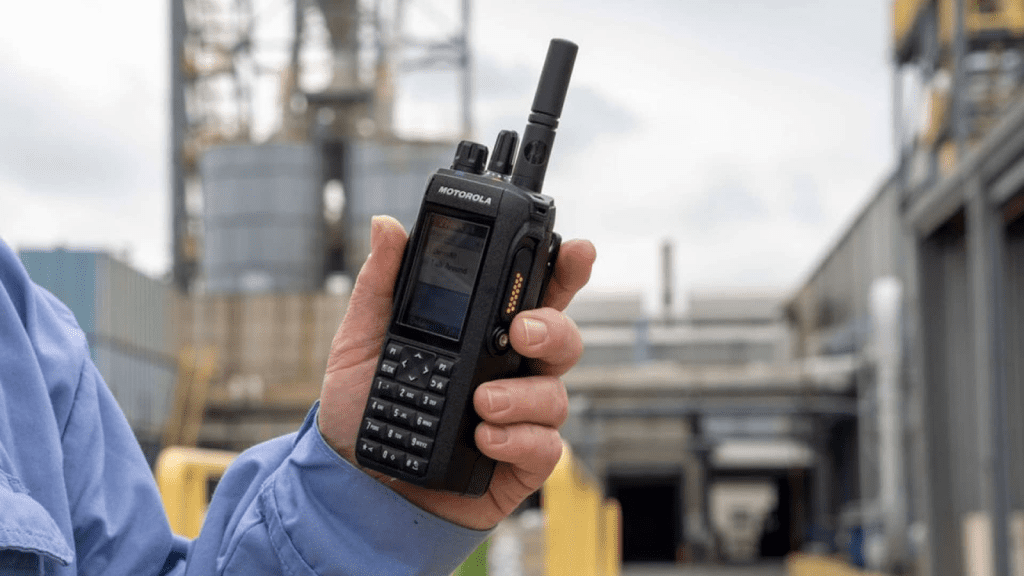
Portable radios, also known as handheld or walkie-talkie radios, are among the most widely used communication tools. Their compact size and battery-powered design make them ideal for users who need mobility without sacrificing communication quality.
In Mexico, portable radios are commonly used by security teams, event organizers, hospitality staff, and industrial workers. These devices allow instant communication across facilities, construction sites, and public venues. Modern portable radios offer features such as noise cancellation, long battery life, and ruggedized casings designed to withstand dust, moisture, and impacts.
Brands like Kenwood, ICOM, and Motorola, available through RadioRed, provide a wide range of portable radios tailored to different operational needs. From basic analog models to advanced digital radios compatible with DMR or NXDN standards, users can select equipment that balances cost, performance, and scalability.
Mobile Radios: Power and Range for Vehicles
Mobile radios are designed for installation in vehicles, offering higher transmission power and extended range compared to portable units. These radios are essential for fleet operations, logistics companies, emergency services, and public transportation systems across Mexico.
A mobile radio typically connects to an external antenna mounted on the vehicle, significantly improving signal coverage. This setup is particularly valuable for highway patrols, delivery fleets, and utility services operating across large geographic areas.
Modern mobile radios integrate seamlessly with dispatch systems and repeaters, enabling centralized communication and real-time coordination. Through RadioRed, Mexican customers can access mobile radios that support both analog and digital operation, ensuring compatibility with existing infrastructure while allowing for future upgrades.
Marine Radios: Safety at Sea and Along the Coast
Marine radio communication is critical for safety, navigation, and coordination in maritime environments. Mexico’s extensive coastline and active fishing, shipping, and tourism industries make marine radios a vital component of daily operations.
Marine radios are designed to resist corrosion from saltwater, withstand harsh weather conditions, and provide clear communication over open water. VHF marine radios are particularly important for ship-to-ship and ship-to-shore communication, as well as for receiving weather alerts and emergency broadcasts.
Advanced marine radios now include features such as Digital Selective Calling (DSC), GPS integration, and distress signaling. These capabilities enhance safety and response times in emergencies. Suppliers like RadioRed help ensure that maritime professionals in Mexico have access to reliable marine communication equipment that meets international standards.
Aerial Radios: Communication in Aviation
Aerial or aviation radios are specialized systems used for communication between aircraft and ground control, as well as between pilots. These radios operate on specific aviation frequency bands and are engineered for clarity, reliability, and compliance with strict regulatory requirements.
In Mexico’s growing aviation sector ranging from commercial airlines to private aviation and aerial services radio communication is fundamental to safety and efficiency. Aviation radios support clear voice transmission even in high-noise cockpit environments and at high altitudes.
Technological advancements have introduced lightweight, compact aerial radios with improved signal processing and compatibility with modern avionics. Through trusted vendors such as RadioRed, aviation professionals can source equipment that meets both operational needs and regulatory expectations.
Intrinsically Safe Radios: Communication in Hazardous Environments
Intrinsically safe radios are designed for use in environments where explosive gases, flammable dust, or volatile chemicals may be present. These radios are engineered to prevent sparks or excessive heat that could ignite hazardous materials.
Industries such as oil and gas, mining, chemical manufacturing, and energy production in Mexico rely heavily on intrinsically safe radios. Compliance with international safety certifications is essential, as worker safety and regulatory adherence are paramount.
Intrinsically safe radios available through RadioRed combine safety with advanced communication features, including digital voice, emergency alerts, and robust encryption. This ensures that workers can communicate effectively without compromising safety standards.
Repeaters: Extending Coverage and Reliability
Radio repeaters are a critical component of many communication systems, especially in large or challenging environments. A repeater receives a radio signal and retransmits it at higher power or from a better location, effectively extending coverage and improving signal clarity.
In Mexico’s varied terrain, repeaters are often installed on elevated locations such as towers or hills to overcome obstacles and expand communication range. Industries such as transportation, mining, and public safety depend on repeaters to maintain consistent coverage across wide areas.
Modern repeaters support digital protocols, remote monitoring, and redundancy features to ensure uninterrupted operation. When integrated with equipment sourced from RadioRed, repeaters form the backbone of scalable and reliable radio networks.
Radio Accessories: Enhancing Performance and Usability
Accessories play a crucial role in maximizing the effectiveness of radio communication systems. Microphones, headsets, batteries, chargers, antennas, and carrying solutions all contribute to user comfort and operational efficiency.
For example, noise-canceling headsets are essential in loud industrial environments, while high-capacity batteries support extended shifts without interruption. Specialized antennas can significantly improve signal strength and coverage.
By offering a comprehensive selection of accessories, RadioRed enables users in Mexico to customize their radio systems to specific operational demands, ensuring both performance and durability.
Technological Advancements in Radio Communication
Radio communication has undergone significant technological evolution in recent years. Digital radio standards have largely replaced traditional analog systems in many professional applications, offering clearer audio, better spectrum efficiency, and enhanced security.
Features such as encryption protect sensitive communications, while GPS integration allows real-time tracking of personnel and vehicles. Bluetooth connectivity enables hands-free operation and integration with other devices, improving safety and productivity.
In addition, modern radios increasingly support interoperability, allowing different organizations or departments to communicate during joint operations or emergencies. These advancements, widely available through RadioRed, demonstrate that radio communication continues to innovate and adapt to modern requirements.
The Role of Radio Communication in Mexico’s Economy
Mexico’s economy relies on efficient communication across sectors such as manufacturing, logistics, energy, tourism, and public safety. Radio communication supports coordination, safety, and productivity in all of these areas.
From ports and airports to factories and highways, radios enable real-time decision-making and rapid response. In rural or remote regions, radio systems often provide the only reliable communication channel, reinforcing their strategic importance.
By supplying high-quality radios and accessories from leading global brands, RadioRed contributes directly to the effectiveness and resilience of Mexico’s professional communication infrastructure.
Choosing the Right Radio Communication Solution
Selecting the appropriate radio communication system requires careful consideration of operational needs, environment, coverage area, and regulatory requirements. Factors such as frequency band, power output, durability, and compatibility all influence performance.
Professional guidance is often essential to ensure that systems are properly configured and scalable. Reliable suppliers like RadioRed play a key role by offering not only products but also expertise, helping organizations in Mexico make informed decisions.
As communication needs evolve, having a trusted source for upgrades, accessories, and technical support becomes increasingly important.
Future Trends in Radio Communication
Looking ahead, radio communication will continue to integrate with digital technologies and data networks. Hybrid systems combining radio and broadband connectivity are already emerging, offering the best of both worlds: reliability and high-speed data.
Artificial intelligence and advanced signal processing may further improve audio quality and spectrum management. At the same time, the core advantages of radio—instant communication, independence from public networks, and robustness—will remain unchanged.
For Mexican users, staying informed about these trends and working with established providers such as RadioRed ensures long-term value and adaptability.
Conclusion: Radio Communication as a Lasting Solution
Radio communication remains a cornerstone of professional and safety-critical operations in Mexico. Its ability to deliver instant, reliable communication in diverse and challenging environments ensures its continued relevance, even in an increasingly digital world.
From portable and mobile radios to marine, aerial, and intrinsically safe solutions, modern radio systems offer advanced features that enhance efficiency, safety, and coordination. Repeaters and accessories further extend capabilities, while ongoing technological advancements keep radio communication aligned with contemporary needs.
By focusing on quality, innovation, and trusted brands, RadioRed exemplifies how modern suppliers support the evolving demands of radio communication. For organizations and professionals across Mexico, investing in robust radio communication systems is not just a practical choice it is a strategic one that underpins safety, productivity, and long-term success.
READ MORE : Shayne Topp and His Rise in Digital Comedy
Share this content: